Most collectors don’t do anything “wrong” on purpose. In fact, the choices that end up affecting resale value usually come from good intentions, daily life, or simply not knowing what matters until later. When a client starts thinking about selling, these are the issues that come up again and again. None of them are dramatic. All of them matter.
1. Treating Storage as Temporary When It Becomes Permanent
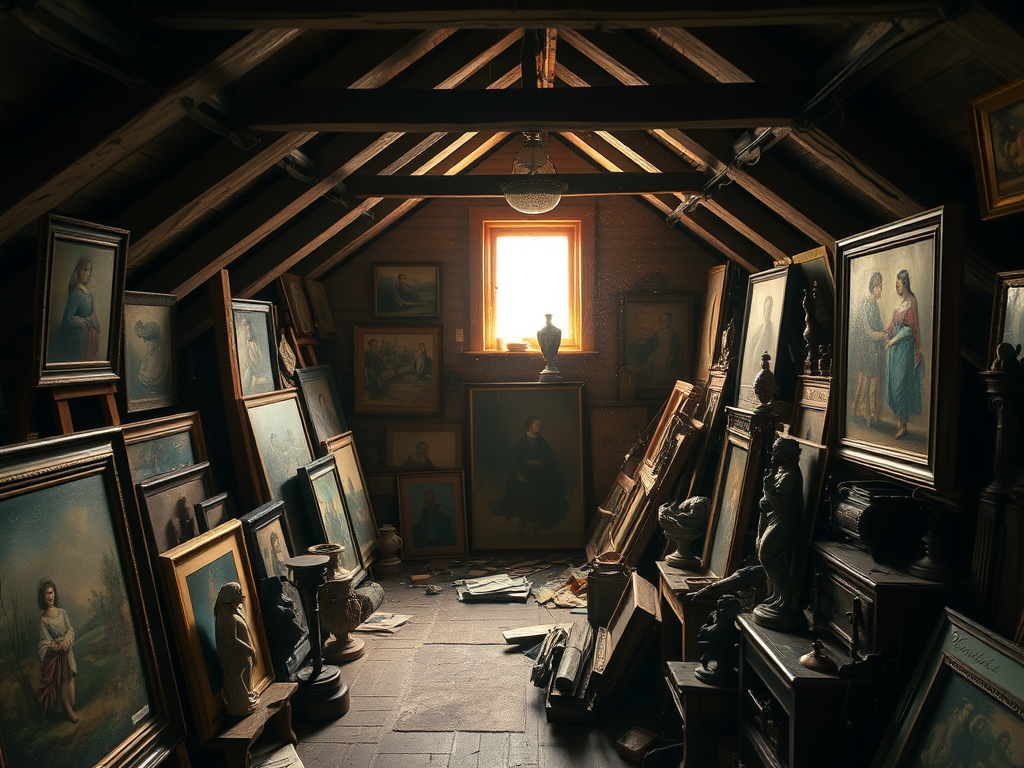
A piece gets leaned against a wall. Then it stays there. A closet becomes long-term storage. A garage feels fine for now.
Artwork is sensitive to temperature changes, moisture, and pressure. Even subtle shifts over time can lead to warping, cracking, mold, or surface instability. These issues are not always obvious at first glance, but they show up quickly when a piece is examined for resale.
If artwork is not on the wall, it still needs a plan. Stable conditions and proper protection go a long way.
2. Cleaning or Adjusting Artwork Yourself
This is one of the most common and most damaging mistakes I see, and it almost always comes from care.
Wiping a surface, tightening canvas keys, removing dirt, or trying to improve how something looks can permanently alter original material. Once that happens, it cannot be reversed.
From a resale standpoint, originality matters. Buyers and auction houses want to know exactly what has and has not been touched. Even minor interventions can raise questions and lower confidence.
If something looks dirty or damaged, it is always better to pause and ask before acting.
3. Reframing Without Thinking About the Frame’s Role
Frames are often dismissed as decorative, but they can carry real importance. Some are original to the work. Others are period-appropriate and expected in the market.
Replacing a frame because it feels dated or does not fit a room can remove historical context and, in some cases, value. Improper reframing can also cause physical stress to the artwork itself.
Before changing a frame, it helps to understand whether it contributes to the overall significance of the piece.
4. Letting Documentation Disappear Over Time
Invoices, gallery labels, correspondence, exhibition history, old appraisals. These things tend to get separated from the artwork as years pass.
When it comes time to sell, documentation helps tell the story. It supports attribution, pricing, and market confidence. Without it, a piece may still sell, but it becomes harder to place and harder to justify at a higher level.
Keeping everything together does not have to be complicated. A simple digital folder can make a meaningful difference later.
5. Not Checking In on the Market Until Selling Is Urgent
Collectors often assume that value moves in one direction. In reality, markets change, tastes shift, and timing matters.
Waiting too long without understanding current demand can mean missing the best moment to sell. Rushing in without context can lead to unnecessary disappointment.
Understanding the market does not mean you have to sell. It simply gives you options, and options are always better than pressure.
Final Thought
Most resale challenges come from small decisions made over time, not from one big misstep.
A little foresight, a few conversations, and the right guidance can help protect both the artwork and your future flexibility.
If you are thinking about resale, insurance, or just want a clearer picture of where your collection stands, it is often helpful to look at these things before a decision is on the table.