
Written and Edited by Emily Walters
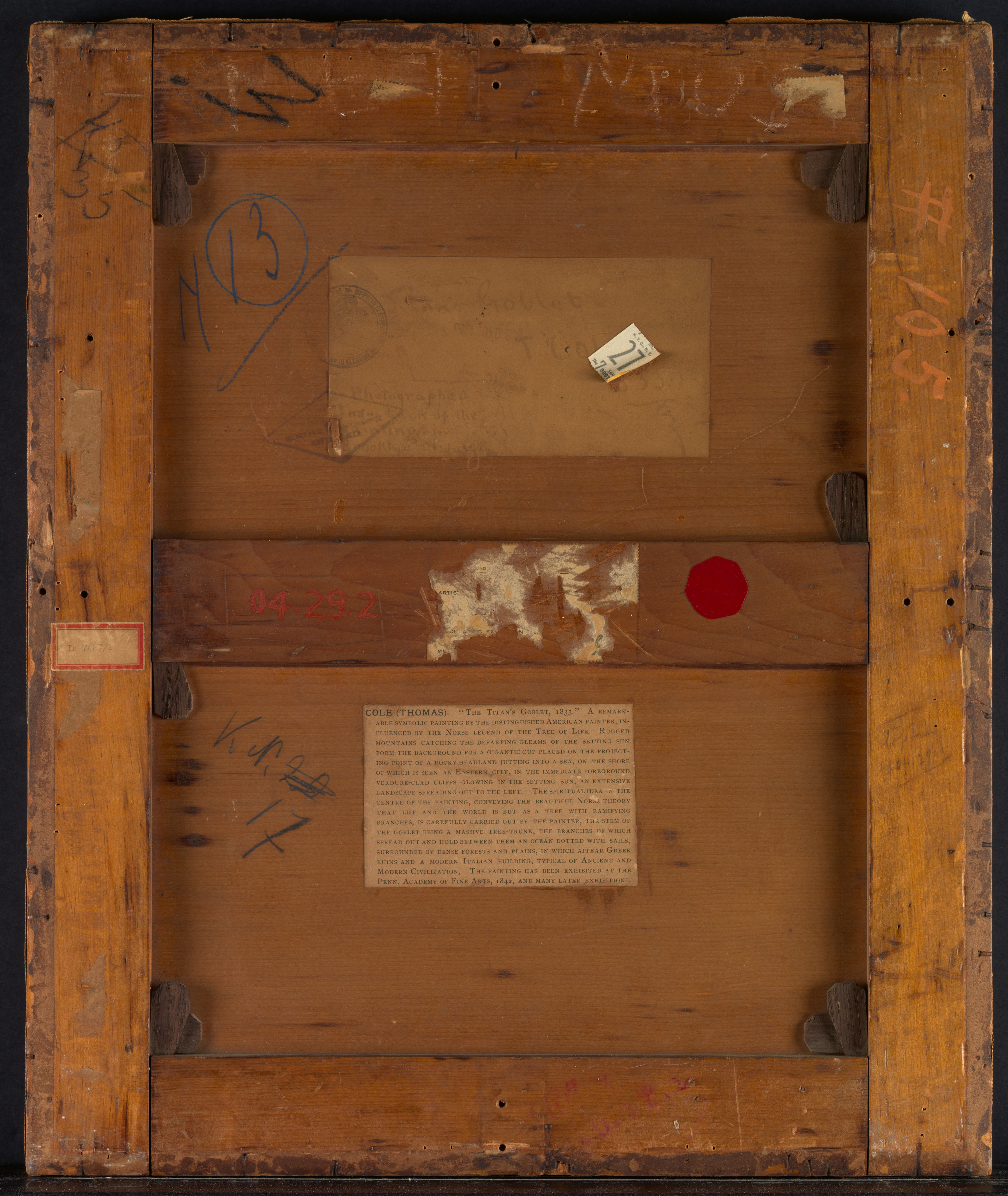
Provenance research is at the forefront of understanding a work of art and typically where experts begin when researching a piece for an appraisal. This specific format of research focuses on a piece’s ownership and documentation through visible makers such as gallery stickers, labels, signatures, and any other defining markers that can be found on the back of a piece. Aside from these markers, appraisers rely on other forms of documentation such as auction records, catalogue raisonnes, and other historical archives that researchers have access to that can help establish a working timeline of the artworks history.
However this form of research only uncovers visible markers of a piece, but new technology opens up a whole new atmosphere of information. Going beyond what is visible to the naked eye, elemental analysis of a piece can provide information of the physical materials present or not found to indicate when and where it has been in history. Elemental analysis is utilized by art conservation scientists to establish a timeline of when certain elements were used by specific painters and time periods, this alongside with research from your appraiser can provide a deeper understanding of the painting, if it was painted or created in the time period it’s believed to be from or not.
These two extremely different methods of analyzing an artwork are used to corroborate each other to provide clients with a complete understanding of their property to be utilized for further appraisals or even just confirmation of the piece. While these methods are not the full picture of an authentication, they are able to provide a further picture to help guide further research on both fronts and connect clients with the right experts to learn more about their artwork.

