
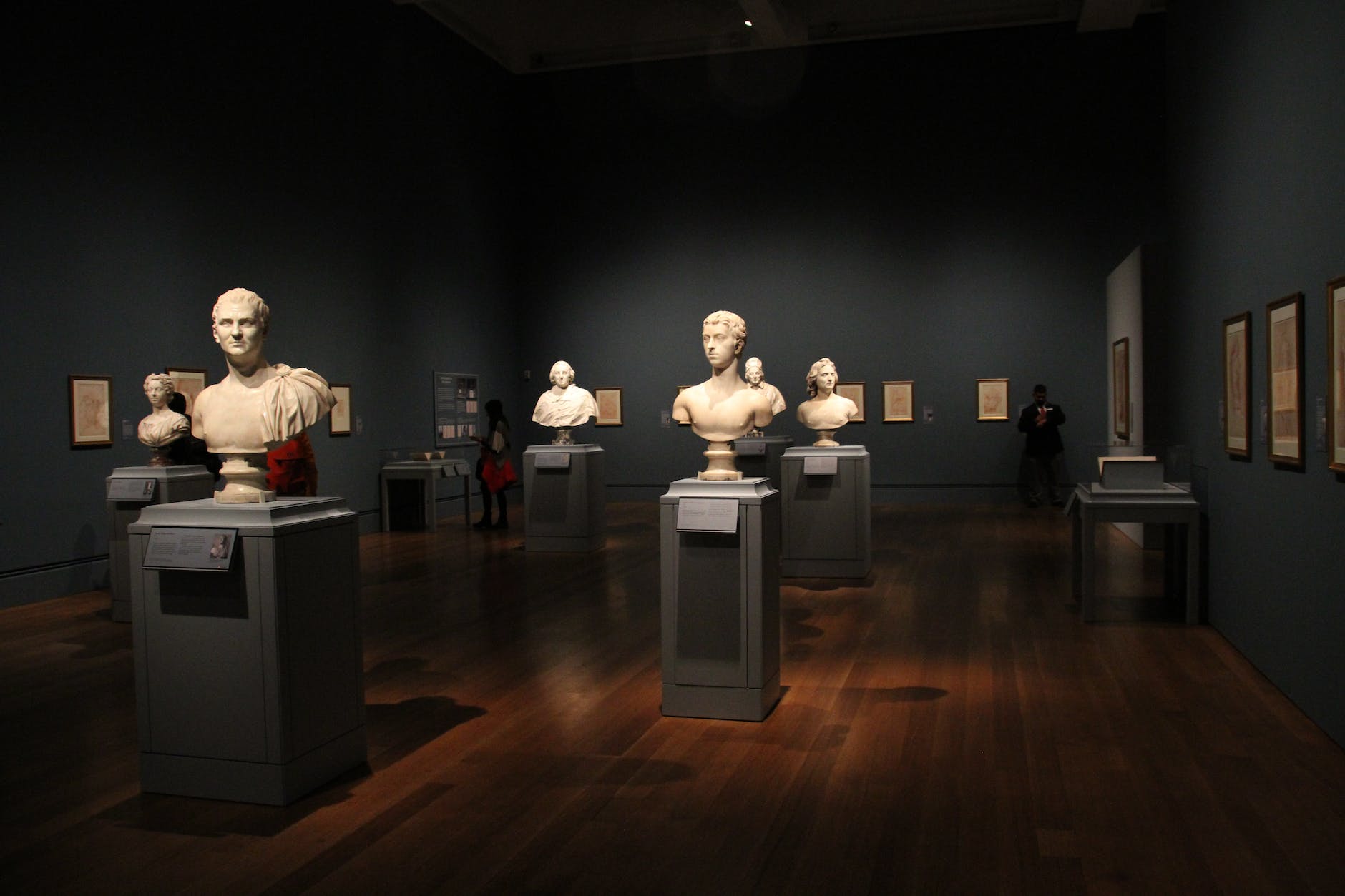
Provenance, the documented history of an artwork’s ownership, is a cornerstone of art appraisal that adds layers of significance to the valuation process. In this blog post, we delve into the crucial role of provenance and its impact on the appraisal of fine art.
1. Establishing Authenticity: Provenance serves as a vital tool in authenticating artworks. A comprehensive chain of ownership provides a traceable journey for an artwork from creation to the present day. By verifying this lineage, appraisers can confirm the legitimacy of an artwork, ensuring that it is indeed the product of the claimed artist and period.
2. Verifying Cultural and Historical Significance: Beyond confirming authenticity, provenance aids in establishing the cultural and historical context of an artwork. Documentation of an artwork’s ownership throughout the years can unveil its connections to significant events, movements, or influential figures, enriching its overall historical narrative.
3. Enhancing Market Value: A strong provenance often contributes to an artwork’s market value. Ownership by renowned collectors, inclusion in prestigious exhibitions, or association with reputable galleries can elevate an artwork’s desirability in the eyes of potential buyers. Provenance, therefore, becomes a valuable marketing tool that enhances the marketability and value of the artwork.
4. Protecting Against Theft and Fraud: Provenance acts as a safeguard against theft and fraud. A clear and verifiable ownership history can aid in the recovery of stolen artworks and protect against fraudulent claims. Law enforcement agencies and art databases often rely on provenance documentation to identify and recover stolen art.
5. Providing Confidence to Collectors: For collectors, knowing the provenance of an artwork instills confidence in their investment. Understanding where an artwork has been and who has owned it over the years provides a sense of security and assurance. This confidence is particularly crucial in the high-stakes art market.
6. Facilitating Estate Planning: In estate planning, provenance documentation is invaluable. It helps heirs and beneficiaries understand the significance and value of inherited artworks. Appraisers use provenance to assess the fair market value of artworks, aiding in equitable distribution and estate tax planning.
7. The Impact on Appraisal Accuracy: Provenance significantly influences the accuracy of art appraisals. Appraisers consider an artwork’s ownership history, including notable exhibitions, publications, and sales, to provide a comprehensive valuation. The lack of provenance or gaps in documentation may lead to increased scrutiny and potential challenges in establishing an accurate value.
In conclusion, provenance is a critical factor in the art appraisal process, contributing to authentication, historical context, market value, and overall confidence in the art market. As collectors and art enthusiasts navigate the world of fine art, understanding the importance of provenance ensures a more informed and discerning approach to the appraisal and acquisition of artworks.
Leave a Reply